
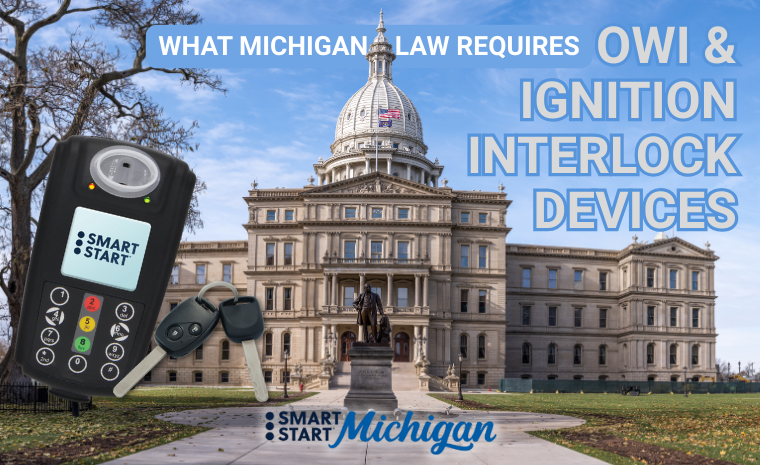
If you have been convicted of an alcohol-related driving offense in Michigan, you may be required to install an ignition interlock device to regain limited driving privileges. For many drivers, Michigan’s Ignition Interlock requirements can raise questions, cause stress, and create uncertainty.
This article explains what Michigan requires, why the device is ordered, and how it fits into the process of getting back on the road legally.
What Michigan Means by an Ignition Interlock Device
An ignition interlock device is a car breathalyzer wired into your vehicle’s ignition system. Before the engine starts, you must provide a breath sample. If alcohol is detected above the allowed limit, the vehicle will not start.
In Michigan, this device is legally referred to as a BAIID, which stands for Breath Alcohol Ignition Interlock Device. The state regulates which devices are approved, how data is reported, and how compliance is monitored.
When an Interlock Device Is Required in Michigan
Michigan law does not require every driver with an OWI conviction to install a BAIID. It is ordered in specific situations, usually when the offense is more serious or repeated.
Common situations include:
- A second OWI conviction within seven years
- Certain High BAC convictions
- Drivers seeking restricted privileges after a license revocation
The exact requirement comes from the court and the Michigan Secretary of State. The Secretary of State outlines license restoration and interlock requirements on its official site: www.michigan.gov/sos/license-id/drivers-license/restoring-your-drivers-license
How the Restricted License Works With a BAIID
In Michigan, many drivers are eligible only for a restricted license while using an ignition interlock device. This means you may drive only under specific conditions, such as:
- To and from work
- To school
- To court-ordered treatment
- To service or calibrate the device
- Driving outside of these restrictions can result in violations, even if the device is used correctly.
- Why Michigan Uses Ignition Interlock Devices
Ignition interlock devices are designed to reduce repeat alcohol-related driving incidents. According to the National Highway Traffic Safety Administration, interlock devices significantly lower the likelihood of repeat offenses while installed.
Michigan uses this technology to balance public safety with the ability for drivers to maintain employment and family responsibilities.
How Long the Device Is Required
The length of time a BAIID must remain installed depends on your specific case. Some drivers are required to use the device for one year, while others may need it longer. Removal is not automatic.
The Secretary of State must confirm compliance before approval is given.
Compliance is more than just blowing into the device. Michigan monitors:
- Missed rolling retests
- Failed breath tests
- Tampering or power loss
- Missed service appointments
Violations are reported and can result in extended requirements or loss of driving privileges.
Moving Forward with Help from BAIID Requirements in Michigan
An ignition interlock requirement can feel overwhelming at first. Still, many Michigan drivers successfully complete the process every year.
Understanding the rules early helps avoid setbacks and unnecessary stress. With proper use and consistent compliance, the interlock period becomes a temporary step forward, not a permanent barrier.